
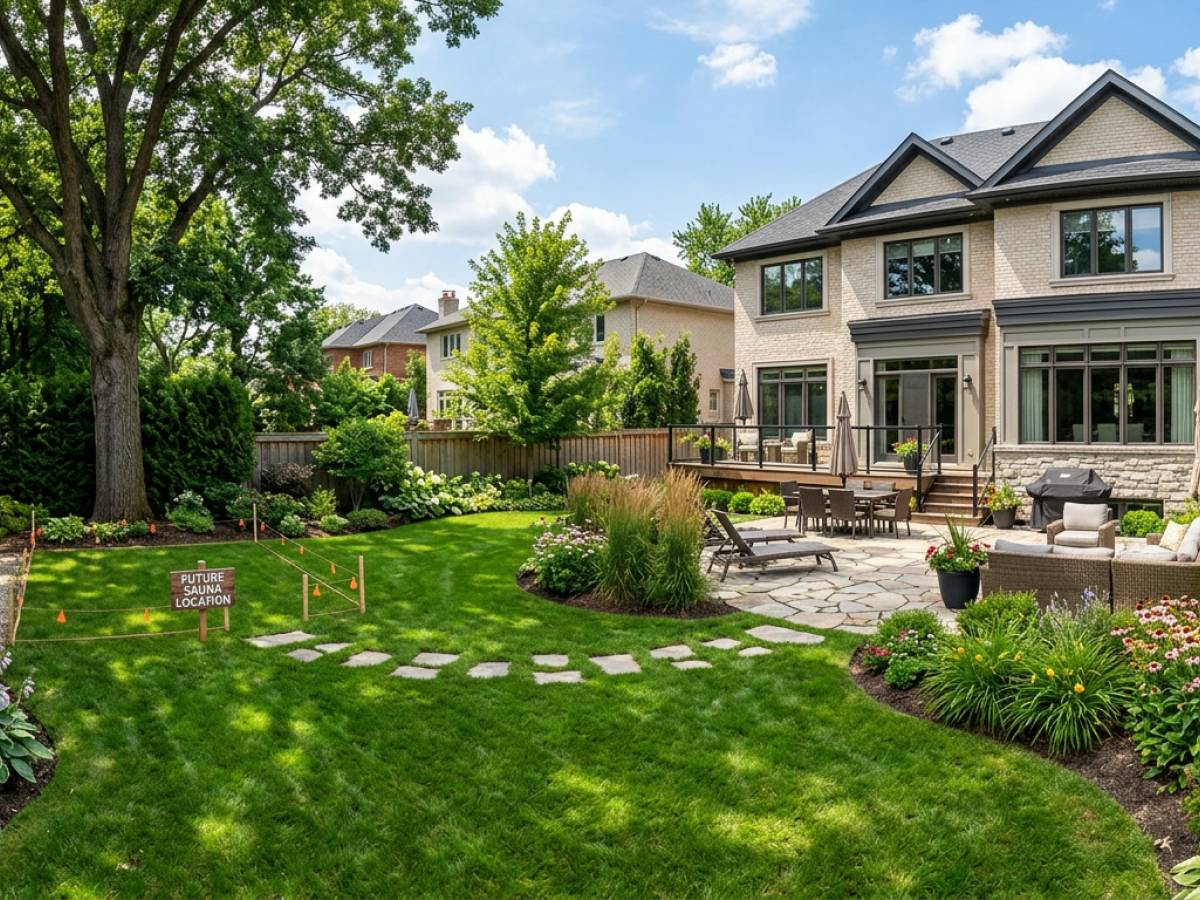
Probably. Whether you need one depends on the size of the sauna, where it sits on the property, whether it has electrical or plumbing, and whether the heater burns wood or runs on electricity.
A sauna looks like a simple backyard structure, but it can cross several permit categories at once: accessory structure rules, zoning setbacks, electrical permits, plumbing permits, and solid-fuel appliance requirements if you're burning wood. Sort this out before the build starts. Sorting it out after the sauna is already sitting in the yard is a much more expensive conversation.
Is a sauna an accessory structure?
The City of Winnipeg lists detached garages, carports, storage sheds, gazebos, and workshops as examples of detached accessory structures. "Sauna" isn't named specifically, but the same logic applies — it's a separate backyard structure that has to meet local requirements.
Detached garages and accessory structures larger than 10 m² (108 sq. ft.) need a building permit in Winnipeg. As of June 1, 2026, building plans also have to be submitted as part of that permit application. Many premium outdoor saunas clear the 108 sq. ft. threshold once you add a change area, covered entry, lounge zone, larger glazing, or an integrated deck — so check the actual footprint early, not after the design is locked.
A smaller structure might skip the building permit, but it still has to meet building code and zoning requirements. Staying under the size threshold doesn't mean the rules don't apply.
It's not only about square footage
A sauna can trigger permit requirements through:
- the size of the structure
- electrical service for the heater, lights, controls, or outlets
- plumbing, drains, or water connections
- a wood-burning heater
- foundation work
- setbacks from property lines
- proximity to other structures
- site conditions like waterways, floodway fringe areas, mature communities, or stormwater retention basins
The City requires trade permits any time a detached accessory structure gets electrical or plumbing service installed. A small sauna with electrical work can need a permit even when the structure itself falls under the building permit size threshold.
Electrical permits
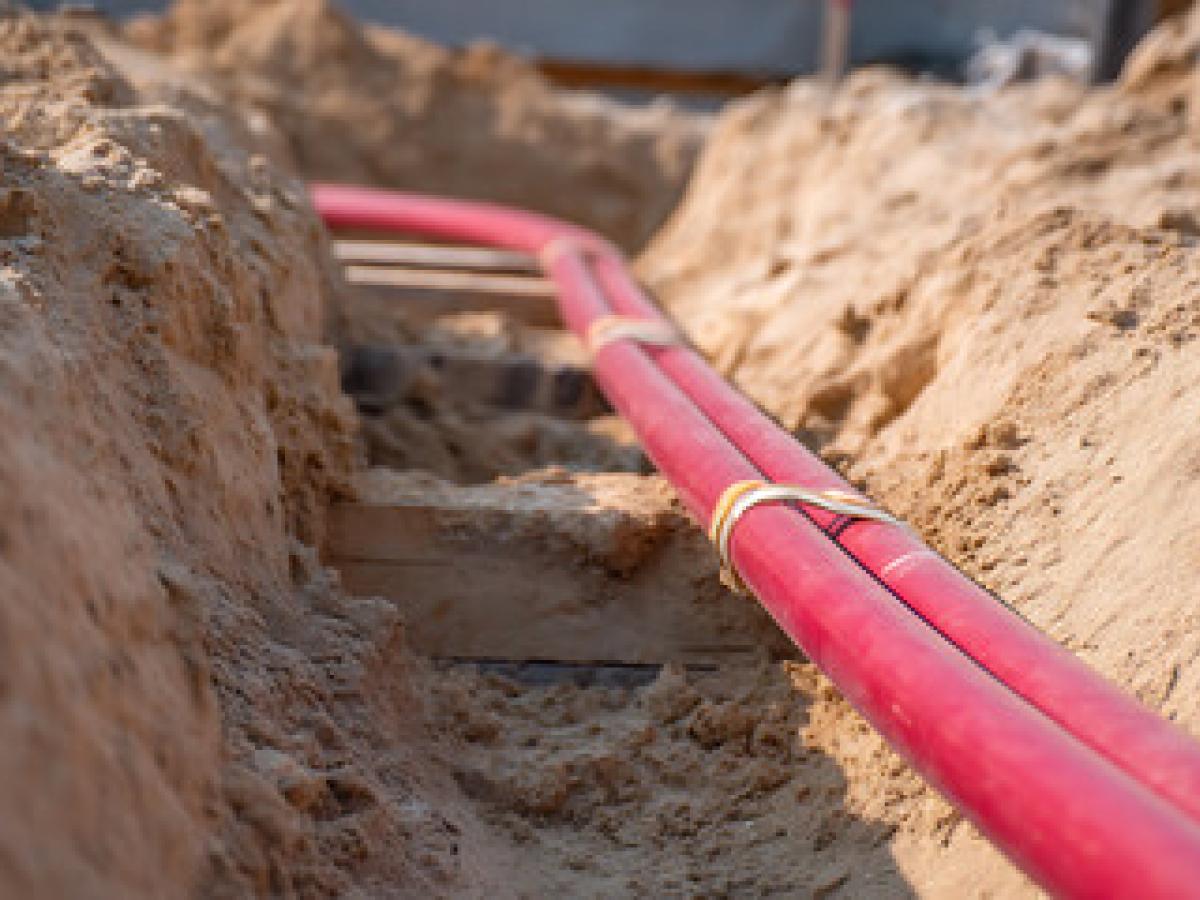
Most electric sauna heaters aren't plug-in appliances. They typically need a dedicated 240V circuit, correct breaker and wire sizing, approved controls, sensor placement, and inspection.
In Winnipeg, any construction, alteration, repair, or extension of electrical installations requires a permit under the Winnipeg Electrical By-law. That permit can only go to a licensed electrical contractor, or to a homeowner doing the work themselves in their own single detached primary residence — with limits on what a homeowner can apply for. Outside Winnipeg, Manitoba Hydro handles wiring permits and inspections, and the work still has to follow the Manitoba Electrical Code.
Plan the electrical path early. Heater size, room volume, glass area, trenching, panel capacity, and control placement all feed into that plan — they're not details you patch in after the room is framed.
Wood-burning heaters change the requirements
A wood-burning heater isn't only a style choice — it puts you into a different permit category. Installing a solid-fuel burning appliance requires a building permit in Winnipeg. Certified manufactured units have to be installed to the manufacturer's instructions and carry an accepted certification label. Uncertified units fall under the CSA B365 installation code. Every solid-fuel appliance needs a WETT-certified inspection report once it's installed.
With electric, the concerns are sizing, approved equipment, and clearances. With wood, add stove clearances, chimney routing, heat shields, roof penetration, flashing, and carbon monoxide considerations. Those aren't finishing touches — they determine how the room gets framed in the first place.
How we handle this
At Turon Saunas, the permit conversation starts with the design, not after it. We look at the property, sauna size, heater type, electrical path, foundation, setbacks, ventilation, and drainage together, so the permit path and the build plan match from day one.
The bottom line
Over 108 sq. ft., expect a building permit. Add electrical or plumbing, expect trade permits. Choose a wood-burning heater, expect a building permit plus a WETT inspection. Even under the size threshold, zoning, setbacks, and safety rules still apply. A sauna is a small building with real code, electrical, and site-planning requirements behind it — worth getting right before the first session, not after.
