
Hot-Cold Contrast Therapy at Home: How to Design a Sauna and Cold-Plunge Setup
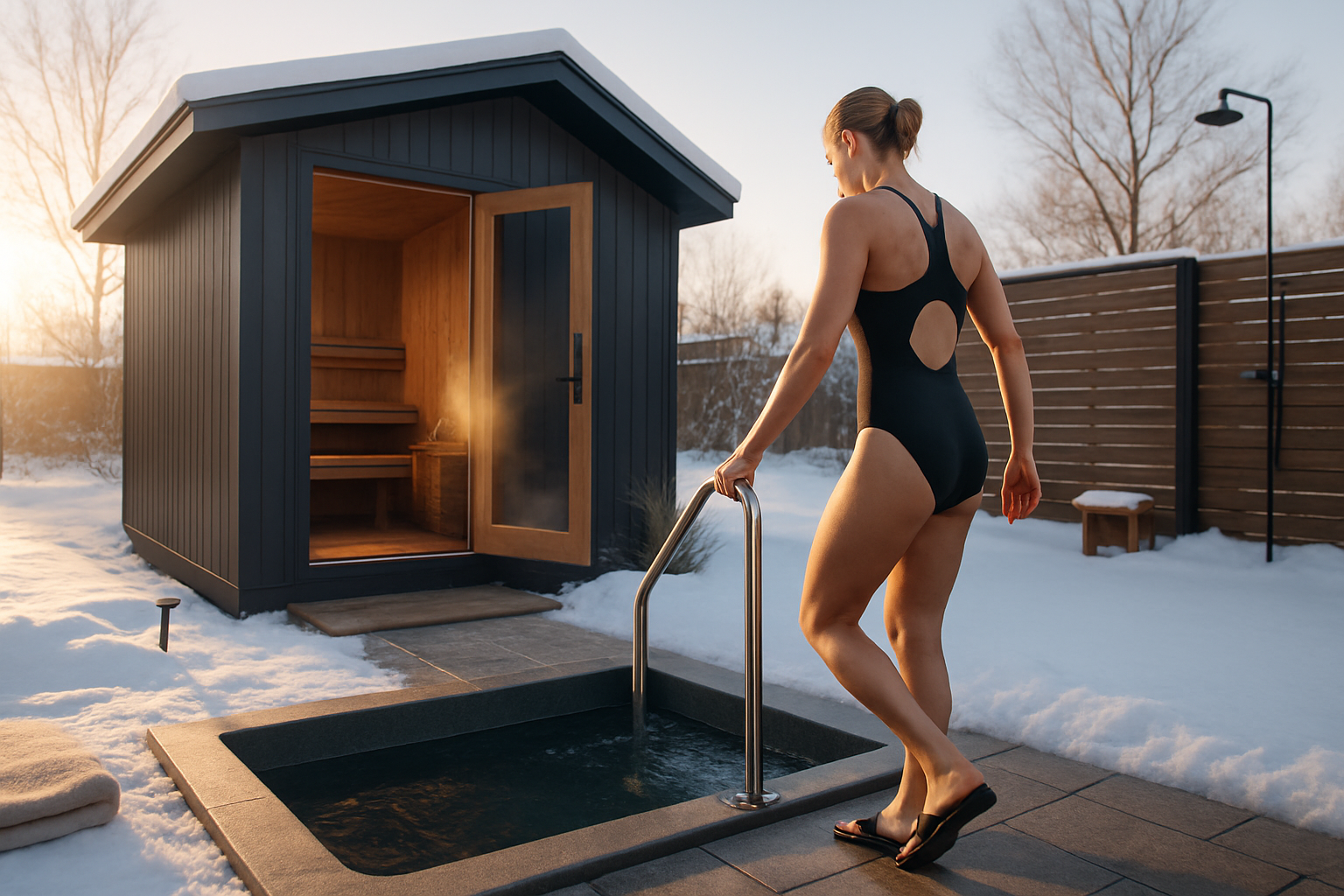
Hot-cold contrast therapy, sometimes called thermal cycling, usually gets reduced to one dramatic image: a hot sauna next to an ice-cold tub. A useful home setup is more thoughtful than that. It needs controlled heat, a safe cooling method, a short transition route, and somewhere to rest and hydrate. A plunge can be part of it, but so can an outdoor shower, winter air, or snow. The best setup isn't the most extreme one. It's the one practical and safe enough to actually become part of real life.
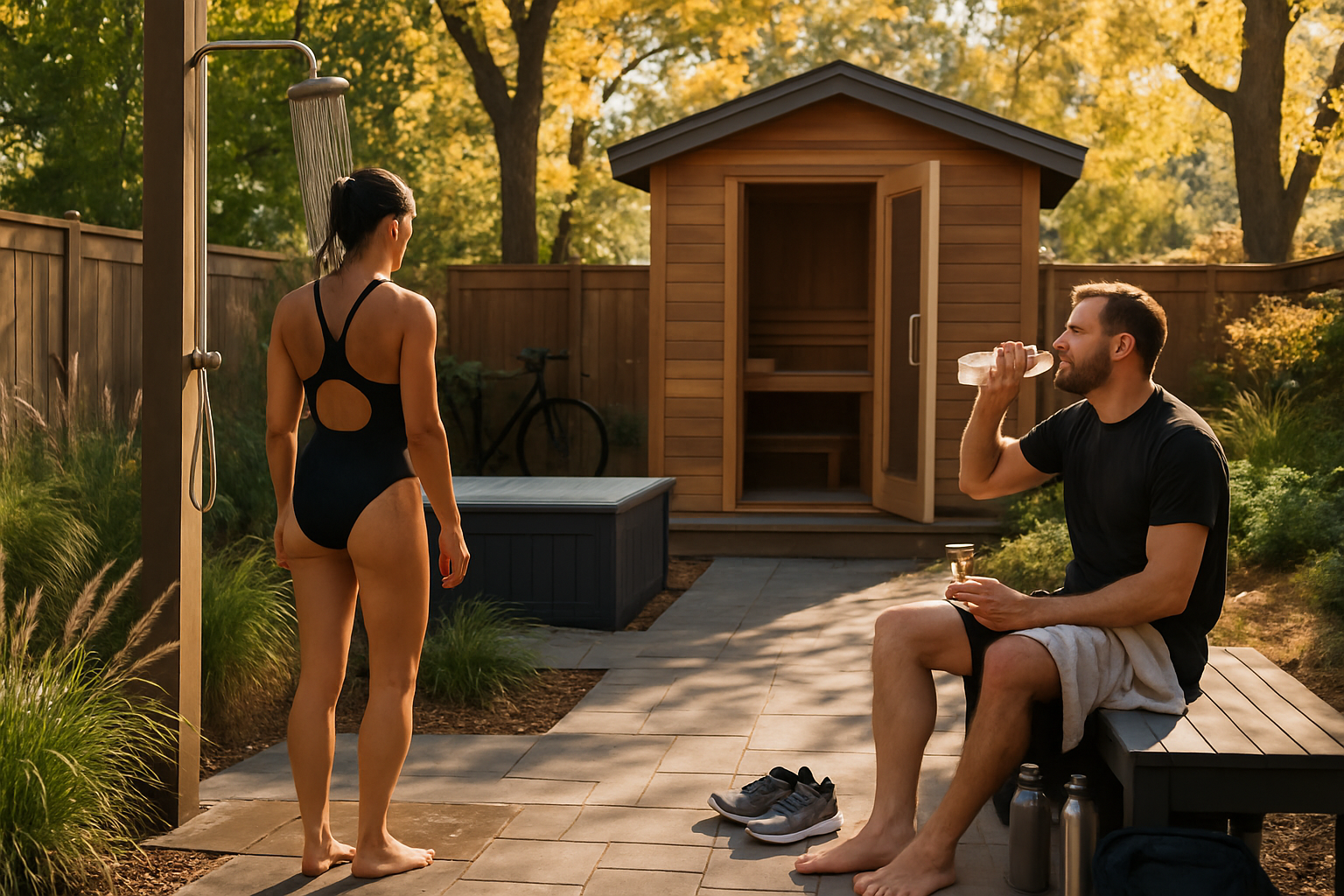
What is hot-cold contrast therapy?
Thermal cycling alternates heat exposure with a cooling phase. In a traditional sauna, the room, stones, benches, and body warm together, heart rate and sweating rise as the body sheds heat, and moving into cold air or water then triggers a rapid shift in skin temperature and cardiovascular demand.
A 2026 crossover study of 16 healthy adults used two 15-minute sauna rounds and compared ordinary cooling against a 90-second immersion in 20°C water. The immersion lowered core temperature and heart rate between rounds and made the second heat exposure feel easier to tolerate. That's useful evidence about an acute response, not a universal home protocol. Very cold water can also trigger involuntary gasping, rapid breathing, higher blood pressure, and greater cardiac strain, which is exactly why gradual entry, conservative exposure, and individual medical judgment matter here.
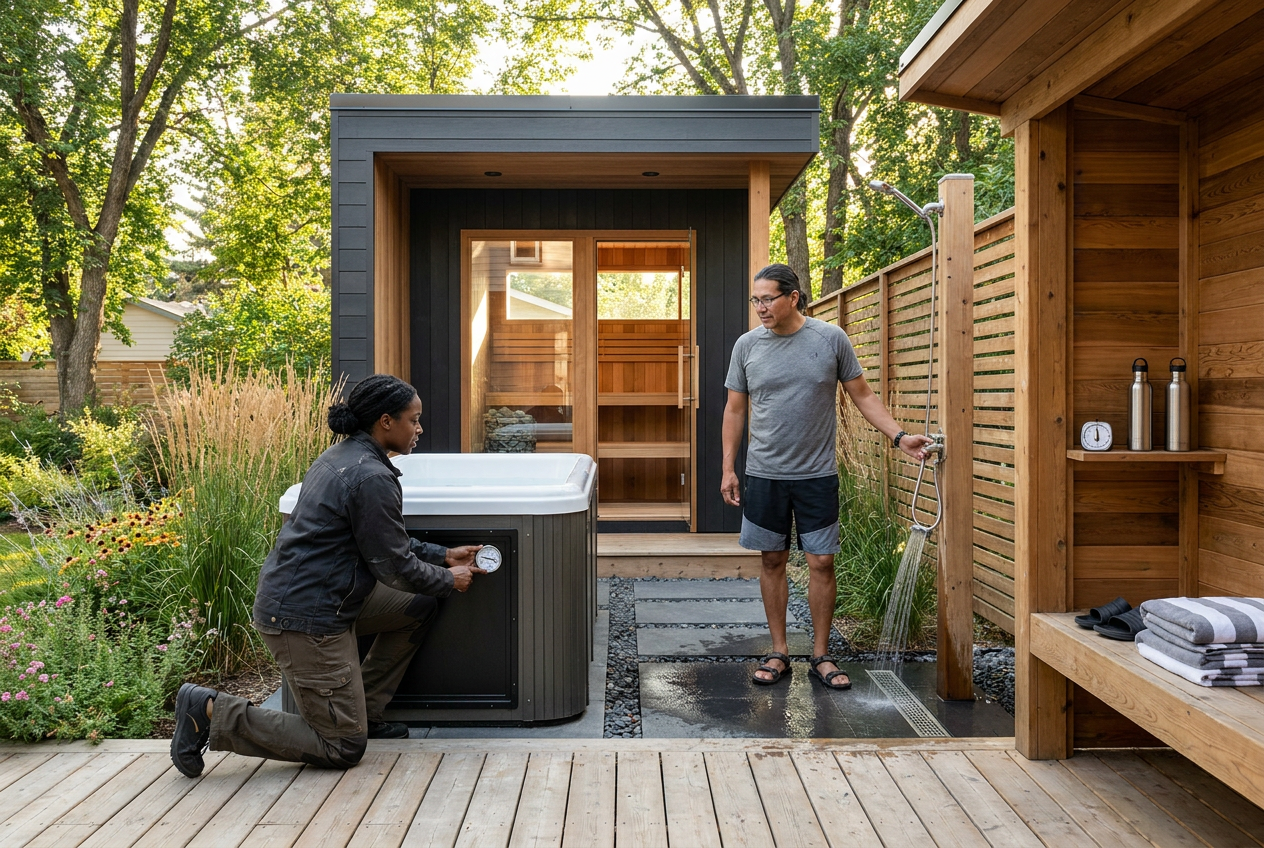
What benefits are realistic?
The most defensible benefits sit around recovery, perceived soreness, relaxation, and building a routine you'll actually keep. A 2023 systematic review and meta-analysis found cold-water immersion can improve recovery from acute strenuous exercise, particularly muscle soreness, compared with several other recovery methods. Research on contrast water therapy suggests possible benefits over passive rest too, though it isn't consistently better than cold-water immersion alone.
The broader evidence for cold exposure and general well-being stays mixed. A 2025 systematic review found possible effects on stress, sleep, and quality of life, but flagged that the available trials were limited, used inconsistent protocols, and lacked diversity among participants. Sauna and cold exposure can be genuinely useful without needing to claim they detoxify the body, guarantee fat loss, prevent illness, or treat medical conditions.
Plunge, shower, winter air, or snow?
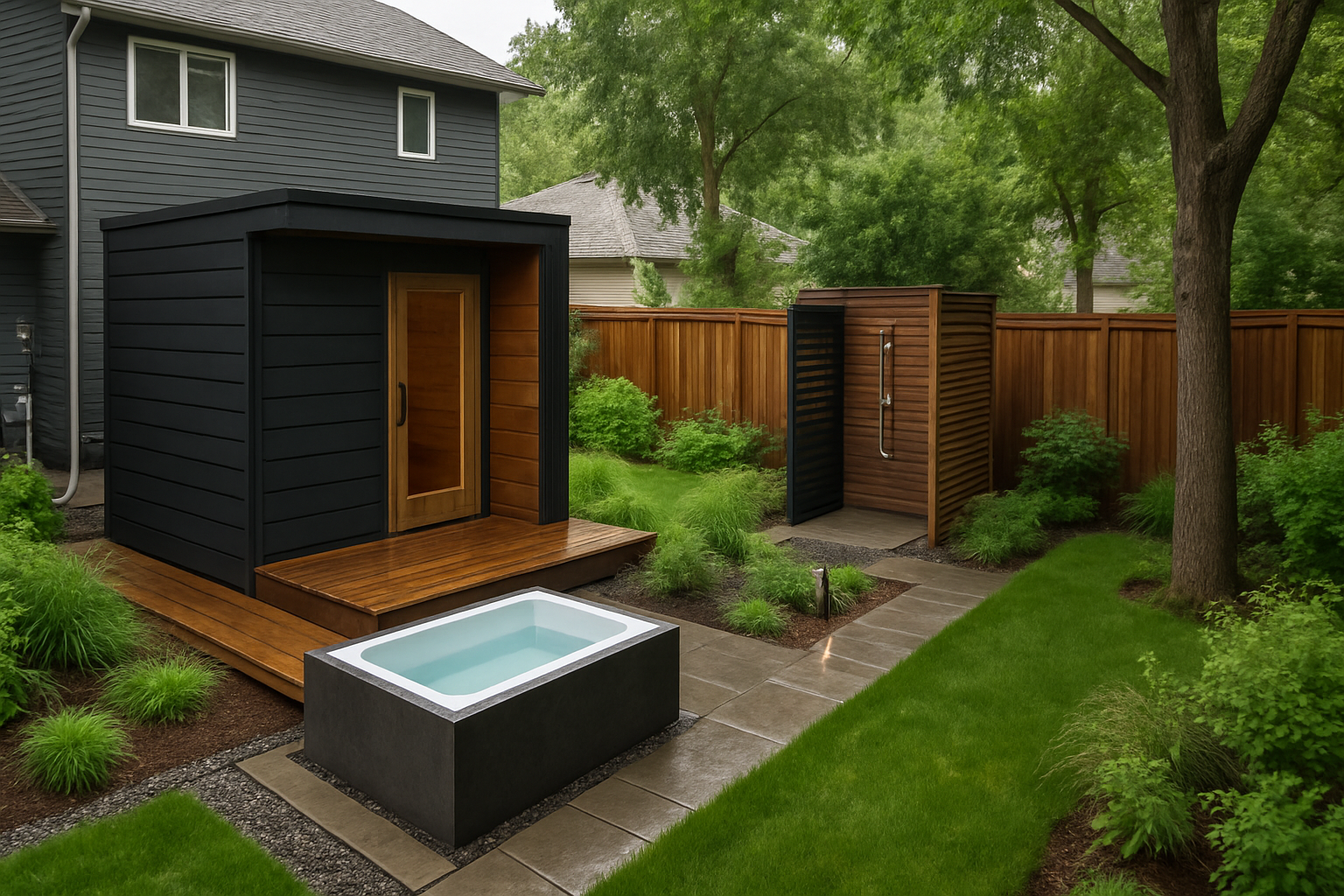
A dedicated cold plunge gives you the most controlled cold phase: monitored water temperature, available year-round, at the cost of filtration, sanitation, drainage, freeze protection, and ongoing maintenance. An outdoor shower usually offers the best balance of space, cost, and simplicity, allowing gradual cooling, though it still needs freeze-resistant supply and drainage to run through a Manitoba winter. Winter air is the simplest option once the pathway, privacy, lighting, and footwear are handled properly. Snow can provide brief cooling too, but it shouldn't turn into a stunt: running barefoot across ice or staying outside until uncontrolled shivering sets in adds risk without making the routine any more effective.
The right choice depends on the property and the people using it. A serious athlete may want a temperature-controlled plunge. A family may get more consistent use out of a well-placed outdoor shower. Someone just starting contrast therapy may need nothing more than the sauna, a safe deck, and controlled exposure to winter air.
How long, and how many rounds?
There's no universally accepted medical dose for home contrast therapy. Sauna research commonly uses heat exposures of roughly five to 20 minutes, sometimes repeated one to three times, and cold-water studies vary widely on temperature and duration. Those are study protocols, not prescriptions for every homeowner.
A conservative sequence is simple:
- Warm in the sauna until deeply heated but still comfortable.
- Cool briefly using air, a shower, or gradual plunge entry.
- Rest, regain normal breathing, and hydrate.
- Repeat only when your body feels stable.
A beginner might get everything they need from one cycle. Experienced users may prefer two or three rounds. The cold phase doesn't need to be painfully cold or unusually long to create a meaningful contrast.
Athletes should factor in their training goal too. Regular cold-water immersion right after resistance training may blunt some long-term muscle and strength adaptations, so someone chasing muscle growth might want to separate intense cold exposure from strength sessions, while someone prioritizing short-term tournament recovery might make a different call.
Design the backyard around the cycle
A good contrast setup functions as a circuit: the sauna, cooling station, and rest area connected by a short route, with slip-resistant surfaces that stay clear in winter, no awkward steps, sudden elevation changes, or long exposed walks across the yard. The plan has to manage shower water, plunge overflow, melting snow, and water tracked in by users, and it should also handle privacy from neighbours and windows, lighting for dark winter mornings and evenings, covered storage for towels and robes, somewhere to sit and recover between rounds, safe access to plunge filtration equipment, room to service the sauna, shower, and plunge down the road, and a protected route back to the house.
The cold station should sit close to the sauna, but not block the entrance or leave water and ice pooling right in front of the door. The sauna still comes first, though. Proper upper bench height, usable lower benches or steps, controlled ceiling height, heater guarding, ventilation, and post-session drying are what actually determine the quality of the heat phase. A beautiful plunge can't rescue a poorly designed sauna.
Building a routine that lasts
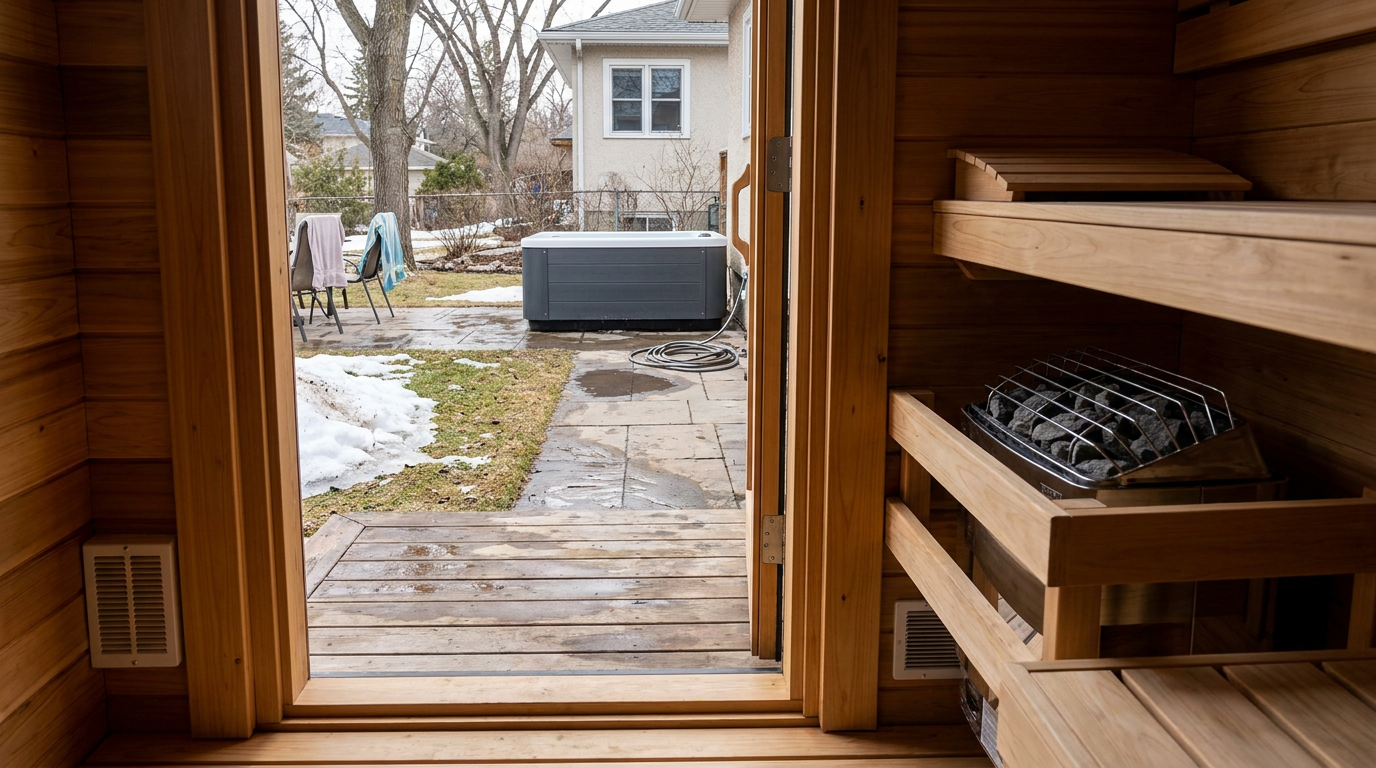
The real advantage of a home setup is convenience: the circuit can slot into a training week, an evening wind-down, or a family routine, but only if it's genuinely simple to use. A plunge that's hard to maintain eventually gets ignored. An icy route kills winter use before it starts. A sauna with nowhere to store towels, no privacy, and no recovery area creates friction that adds up fast.
The deck, pathway, shower, storage, seating, lighting, and landscaping aren't cosmetic extras. They decide whether the routine actually works in January the same way it does in July, which is where a custom layout beats buying separate products and trying to make them cooperate afterward.
Who should use caution
Heat and sudden cold both place real demands on circulation. People with cardiovascular disease, uncontrolled blood pressure, recurrent fainting, pregnancy-related concerns, temperature intolerance, or medications affecting circulation, sweating, or hydration should get individualized medical guidance before starting a contrast routine. Don't combine sauna or cold immersion with alcohol. Don't enter very cold water alone. Stop immediately for chest discomfort, faintness, confusion, uncontrolled gasping, or unusual shortness of breath. Sauna is generally well tolerated by healthy users, but health conditions and medications can change individual risk significantly.
Who should use caution
Heat and sudden cold both place real demands on circulation. People with cardiovascular disease, uncontrolled blood pressure, recurrent fainting, pregnancy-related concerns, temperature intolerance, or medications affecting circulation, sweating, or hydration should get individualized medical guidance before starting a contrast routine. Don't combine sauna or cold immersion with alcohol. Don't enter very cold water alone. Stop immediately for chest discomfort, faintness, confusion, uncontrolled gasping, or unusual shortness of breath. Sauna is generally well tolerated by healthy users, but health conditions and medications can change individual risk significantly.
The Turon view
We see contrast therapy as a design problem before it's an equipment purchase. For recovery-minded clients, the conversation covers the sauna, cooling method, deck, transition route, privacy, drainage, lighting, storage, seating, and winter maintenance from the very start. In Manitoba, the climate can become one of the best parts of the whole experience, but the setup has to be safe, serviceable, and practical enough to actually get used again and again. A custom contrast environment shouldn't feel like disconnected products scattered around a yard. It should work as one complete circuit, designed around the property and the people using it.
The sauna provides the heat. Thoughtful design turns it into a recovery ritual that actually lasts.
This article provides general educational information and is not medical advice. Anyone with a medical condition, pregnancy, cardiovascular concerns, recurrent fainting, or questions about medication should consult a qualified healthcare professional before beginning sauna or cold-water routines.
